
- Farm sustainability assessment
- Soil health assessment
- Nutrient and fertilizer management
From soil to verified carbon
Science-Driven Regenerative Agriculture Solutions for Sri Lankan Farmers and Agribusinesses
Bringing Japan-proven expertise to Sri Lanka through three pillars: regenerative agriculture advisory, digital monitoring, and carbon project development.
Prefer to message? Book on WhatsApp
Who we help
Two ways we usually start
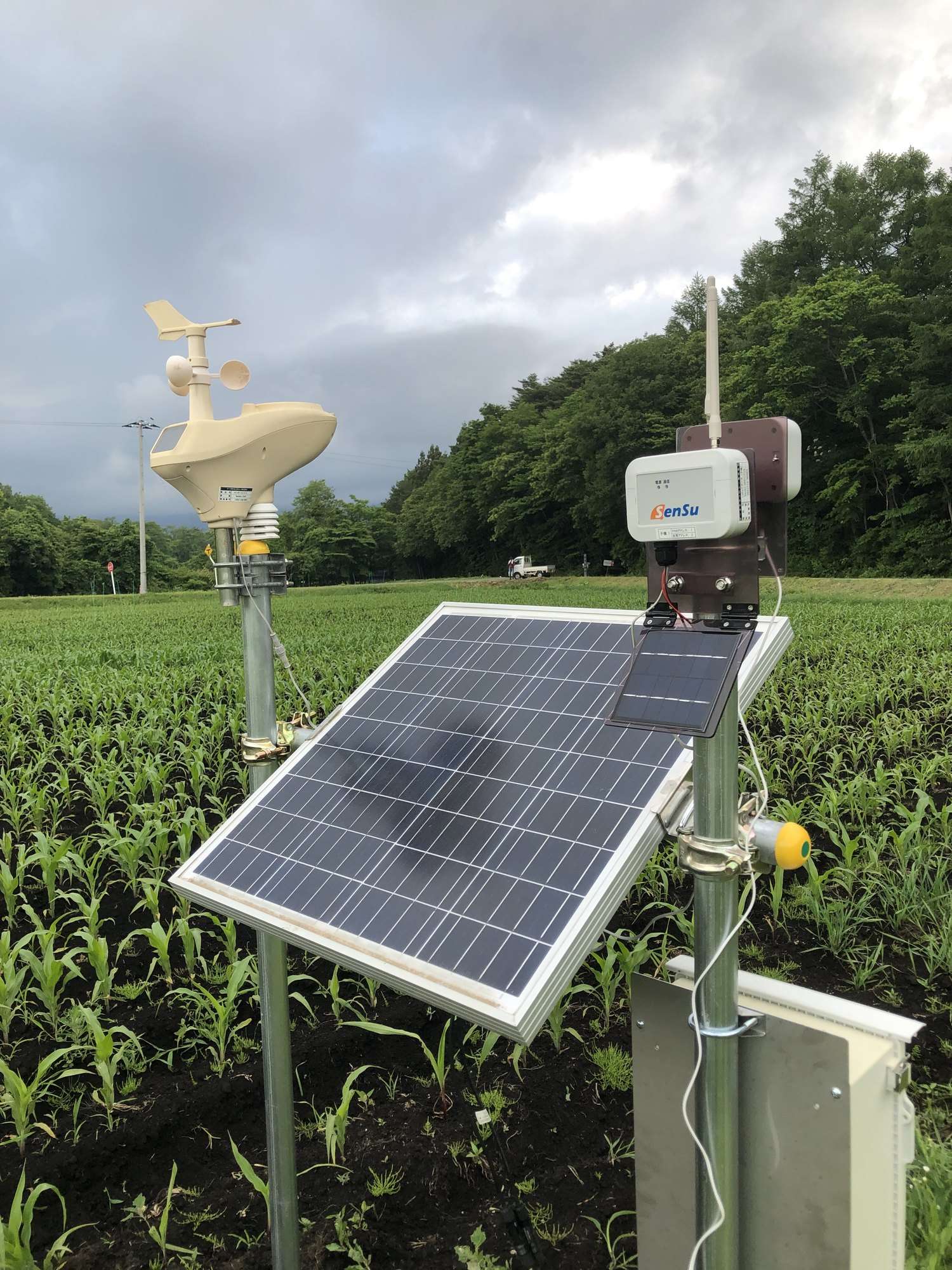
We work with smallholder farmers, commercial farms, plantations, and agribusinesses growing rice, vegetables, fruits, tea, and other crops across Sri Lanka.
Estates, plantations and farms
Better soil and lower input costs, with the data to show it
You want healthier soil, lower input costs and a clear view of what is happening across your fields.
- A farm assessment covering soil, nutrients, water and current practice
- Crop monitoring by satellite NDVI, drone or soil sensors, chosen to suit your crop and acreage
- A written plan with priorities, and support in the field while you put it into practice
Rice, tea, vegetables, fruit and pasture.
Plantation companies and carbon buyers
Emissions and removals data that can be traced to the field
You need numbers an auditor or verifier can follow back to what actually happened on the land.
- Baselines and project boundaries for GHG accounting
- MRV systems that keep field activity, measurements and calculations in one record
- Carbon project feasibility against J-Credit, Puro.earth or Verra methodologies
For sustainability teams preparing SLFRS S1 and S2 disclosures.
Research institution, technology provider or investor? Read about partnerships.
Our solutions
Five services, one line of evidence from soil to carbon
Regenerative Agriculture Advisory
What it coversFirst stepFarm Sustainability Assessment1–3 weeks
Smart Farming & Digital Agriculture
What it covers- IoT and environmental sensors
- Drone-based crop monitoring
- Data-driven fertilizer and water management
First stepDigital Farm Assessment1–2 weeks
GIS & Remote Sensing
What it covers- NDVI and vegetation indices
- Farm mapping
- Land suitability assessment
First stepIdentify the question1–2 weeks
Carbon Credit Project Development
What it covers- Carbon project feasibility assessment
- GHG emission and carbon-removal calculations
- MRV system development
First stepCarbon Project Assessment1–3 weeks
Biochar & MRV
What it covers- Feedstock evaluation
- Biochar quality assessment
- Carbon removal calculations
First stepUnderstand your biomass1–3 weeks
How it works
Assess, design, implement, then measure and verify
The same four steps on every project, whatever the crop or the size of the land.
- 01 · ASSESS
Understand
We assess your farm, soil, crops, current practices, resources, and environmental conditions.
- 02 · DESIGN
Plan
We develop a practical regenerative agriculture and technology plan suited to your farm and business goals.
- 03 · IMPLEMENT
Transform
We support implementation of regenerative practices, smart farming technologies, and carbon project activities.
- 04 · MEASURE & VERIFY
Measure Impact
We monitor progress using field data, IoT, GIS and remote sensing, and support carbon MRV and verification.
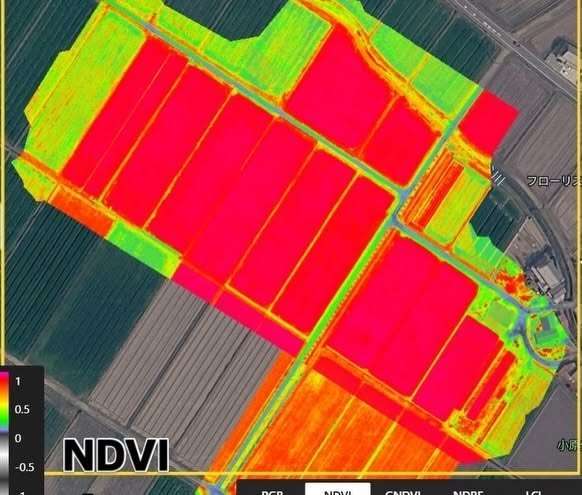
Field case · Ibaraki, Japan
160 hectares of rice, managed field by field
On a 160 ha rice farm in Ibaraki we combined drone NDVI imagery, satellite and GIS analysis, and real-time soil sensors. The farm used that data to target fertilizer and plan field work, instead of treating every field the same.
| Measure | Before | After | Change |
|---|---|---|---|
| Fertilizer | 74 kg | 48 kg | −35% |
| Labor | 260 h | 139 h | −47% |
| Yield | 4.8 t | 5.3 t | +10% |
| Production cost | −25 to 40% |
Figures as reported by the project. A Sri Lankan farm starts from its own baseline, so we measure first and don't promise the same numbers.
Track record
Where the methods were tested
Projects in Japan, 2024 to 2026.
| Project | Where | Scale | What changed | Status |
|---|---|---|---|---|
| Data-driven rice farming | Ibaraki | 160 ha | Fertilizer −35%, Labor −47%, Yield +10%, Production cost −25 to 40% | Completed 2025 |
| Mid-season drainage for methane | Ibaraki | about 100 ha | Methane about −30%, Total GHG about −1.4 tCO₂e/ha, Water use −10 to 30%, Yield 0 to 3% change | Completed 2024 |
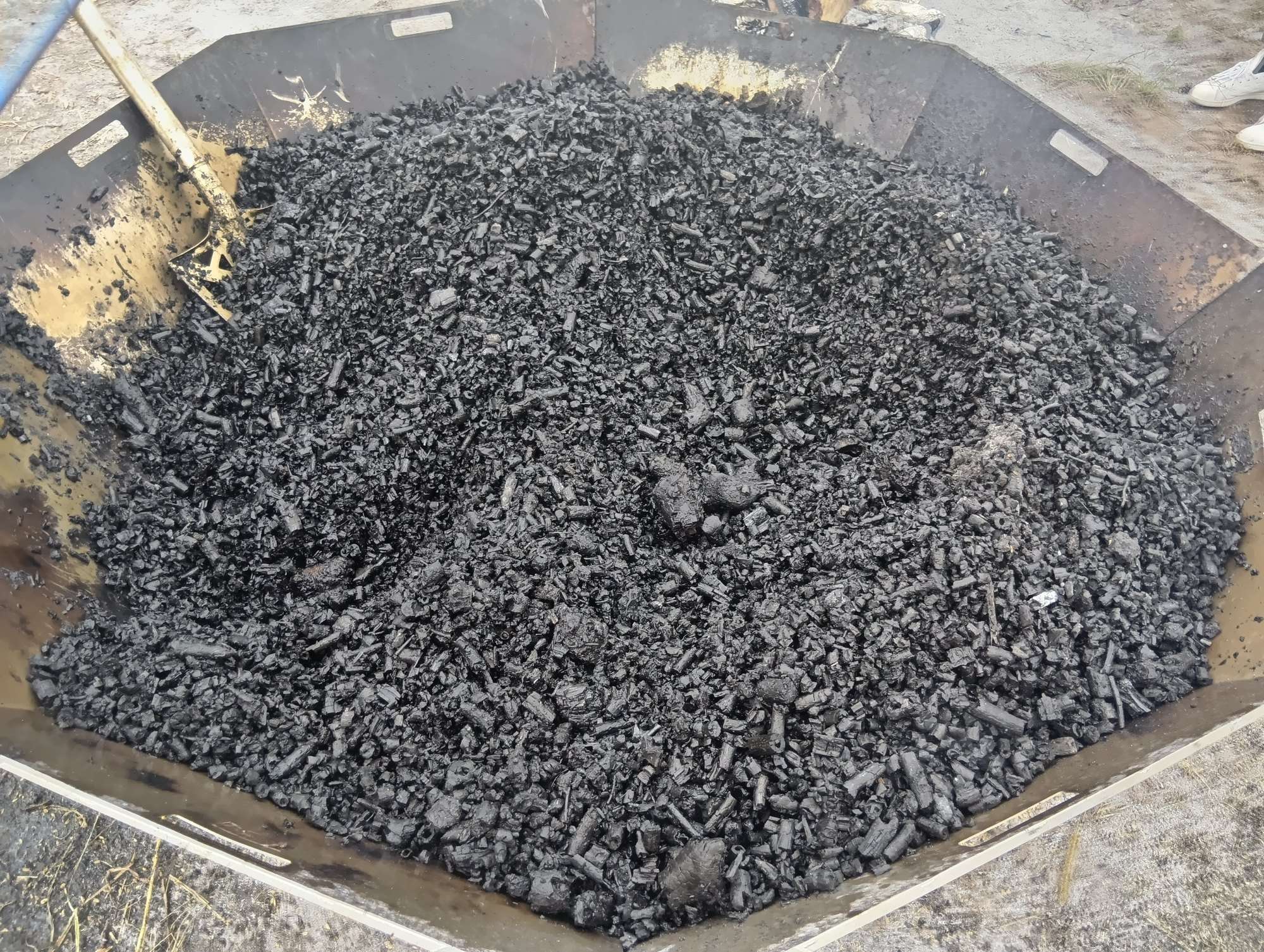
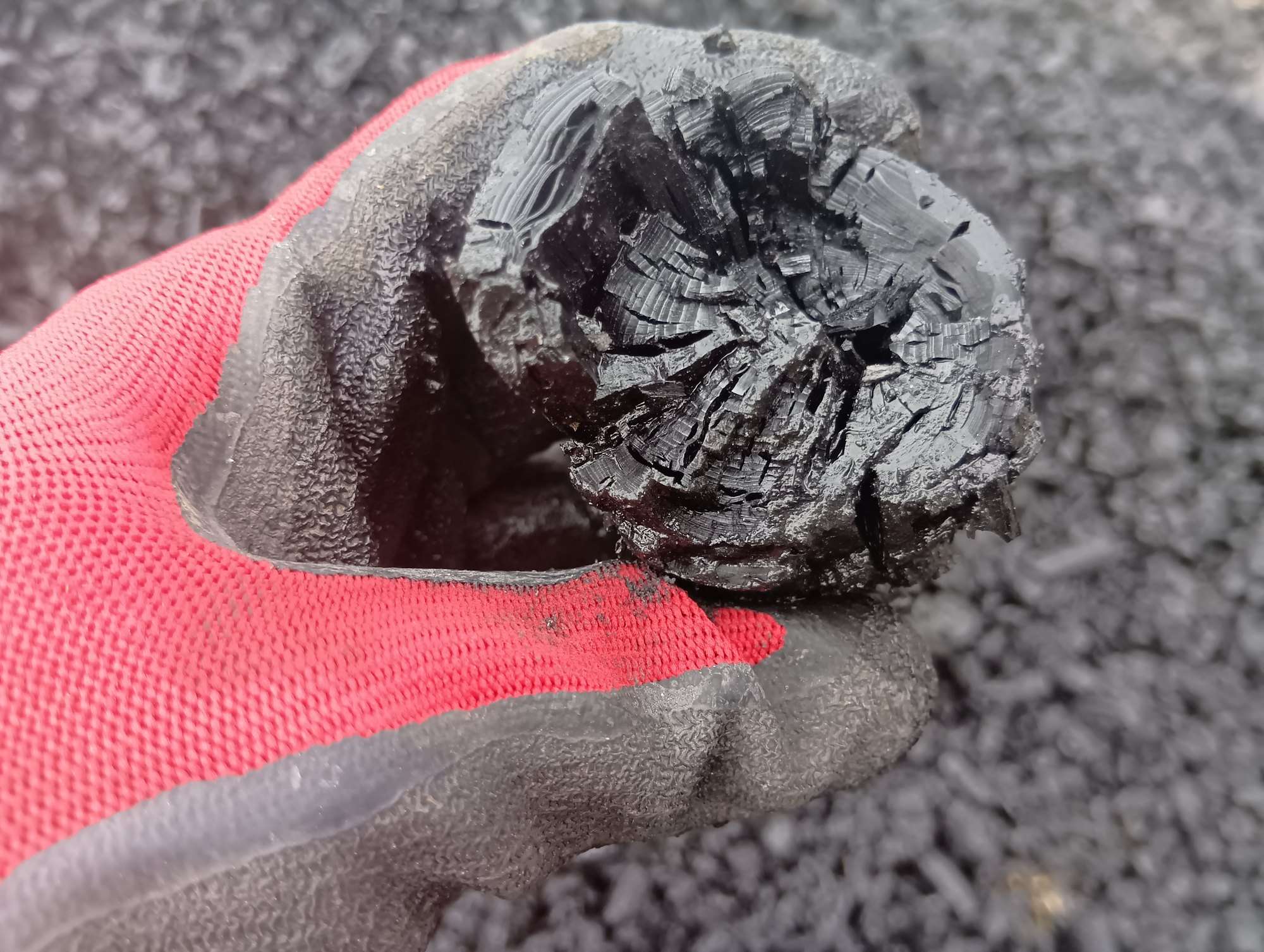
| Biochar from bamboo and blueberry prunings | Chiba | 20 ha farm | Fixed carbon about 79%, H/C ratio 0.7, Year-one production 2.5 t, applied in phases toward 5 t/ha | Ongoing. No credits issued yet |
| Regenerative pasture | Hokkaido | 2 ha | Soil organic carbon about +10%, Pasture yield +10 to 15%, Fertilizer −20 to 30% | Indicative results |
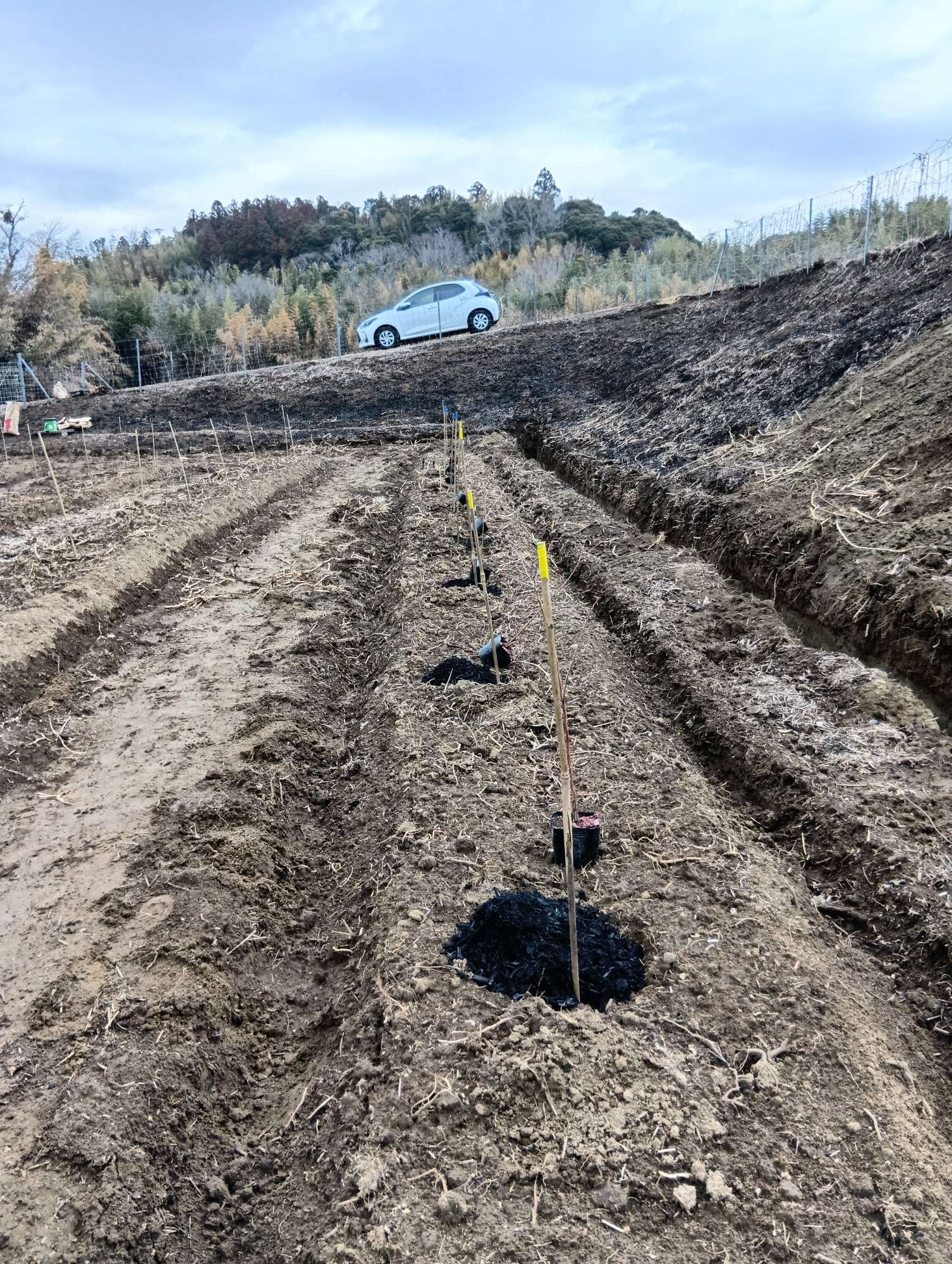
We don't have Sri Lankan results to show yet. Our work here starts with baselines, and we will publish what we measure.
Why BeyondSus
What we bring to Sri Lankan land
Japan-Proven
Practical agricultural technologies and approaches developed through projects in Japan.
Data-Driven
GIS, remote sensing, drones and field data for smarter farm decisions.
Science-Based
PhD-level Agricultural research expertise combined with practical field experience.
Farm-to-Carbon
From regenerative practices to measurement, MRV and carbon-credit development.
People
Who you'll work with
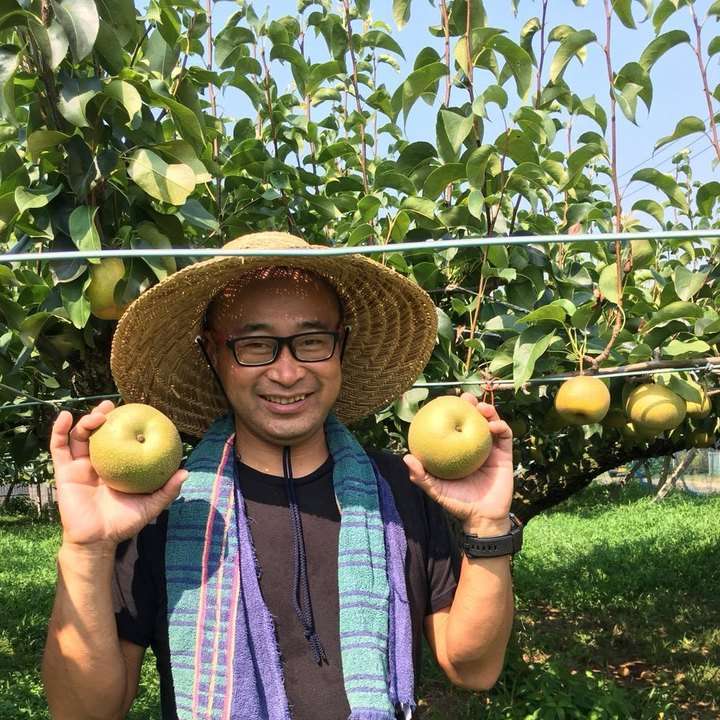
Agronomists, remote sensing specialists and field staff in Sri Lanka and Japan.





Insights
Articles by Dr. Aruna Pathiranage
- Biochar
Biochar: A Sustainable Solution Transforming Agriculture and Beyond in Japan and Globally
What biochar is, how it differs from charcoal, and how Japan uses it in farming and carbon schemes.
- Automation
How Agriculture Automation is Transforming Agriculture
Robots, drones and sensors on farms, and why adoption in Japan and the rest of Asia has been slower.
- Soil carbon
Regenerative Agriculture: Practices to Sequester Carbon and Boost Soil Health
The practices behind regenerative farming and how they store carbon in soil.
Contact
Tell us about your land.
A short call is usually enough to tell whether an assessment makes sense. We reply within two business days.
Book a consultationOther ways to reach us
- WhatsAppUsually the fastest way for farm enquiries+94 00 000 0000
- Request a call backLeave your number and we'll call at a time that suits you
- Emailaruna@beyondsusag.com
- Response
- Within two business days
- Offices
- Athurugiriya · Tsukuba