
Chiba, Japan · 2026–present
Biochar Carbon Removal from Agricultural Residues
Bamboo waste and blueberry pruning residues are converted into biochar for soil application, with data collected for future carbon-removal MRV.
Key facts
- Location
- Chiba, Japan
- Status
- Ongoing. No credits issued yet
- Scale
- 20 ha farm
- Partner
- Blueberry farm / agricultural partner
What was done
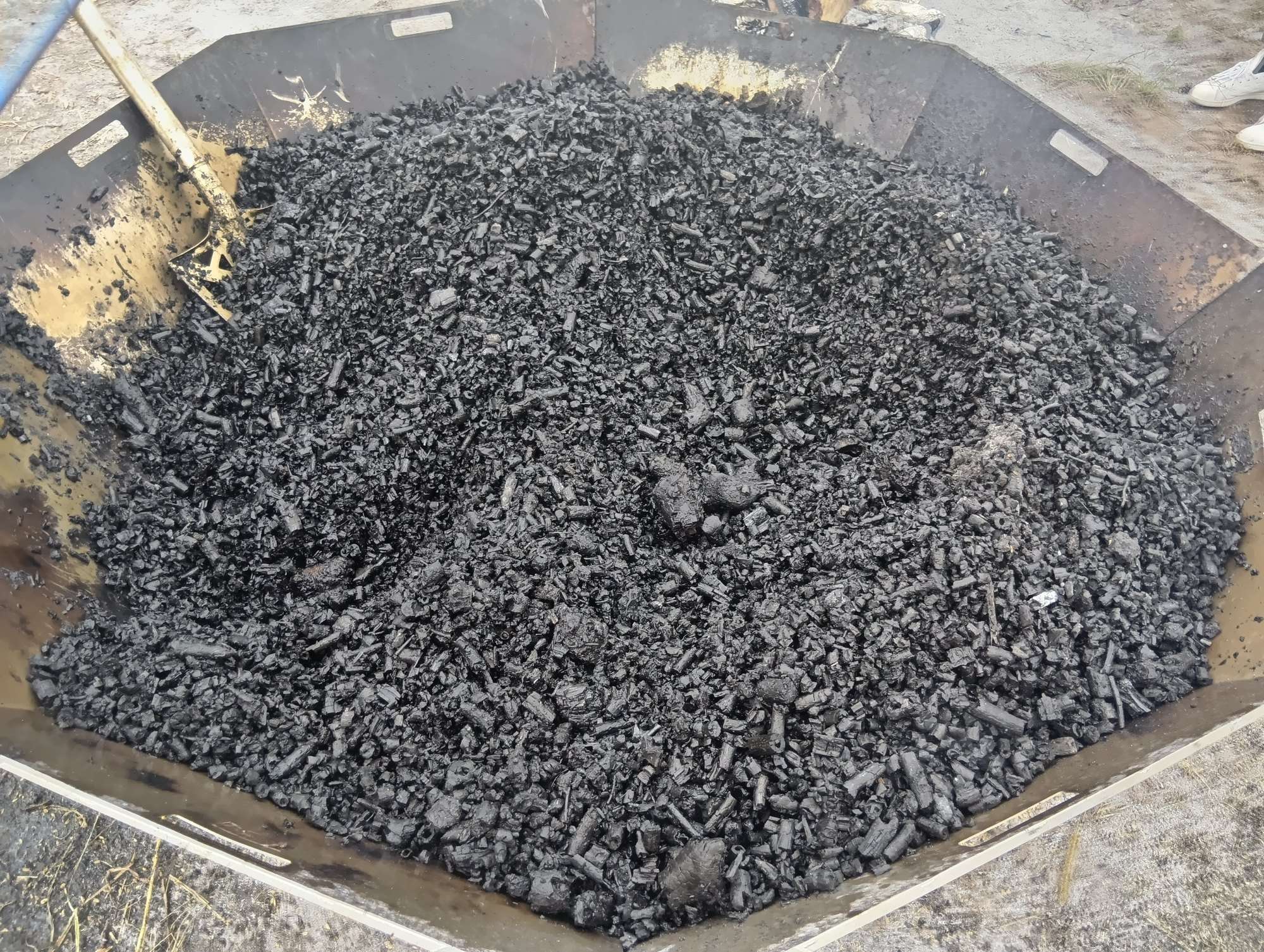
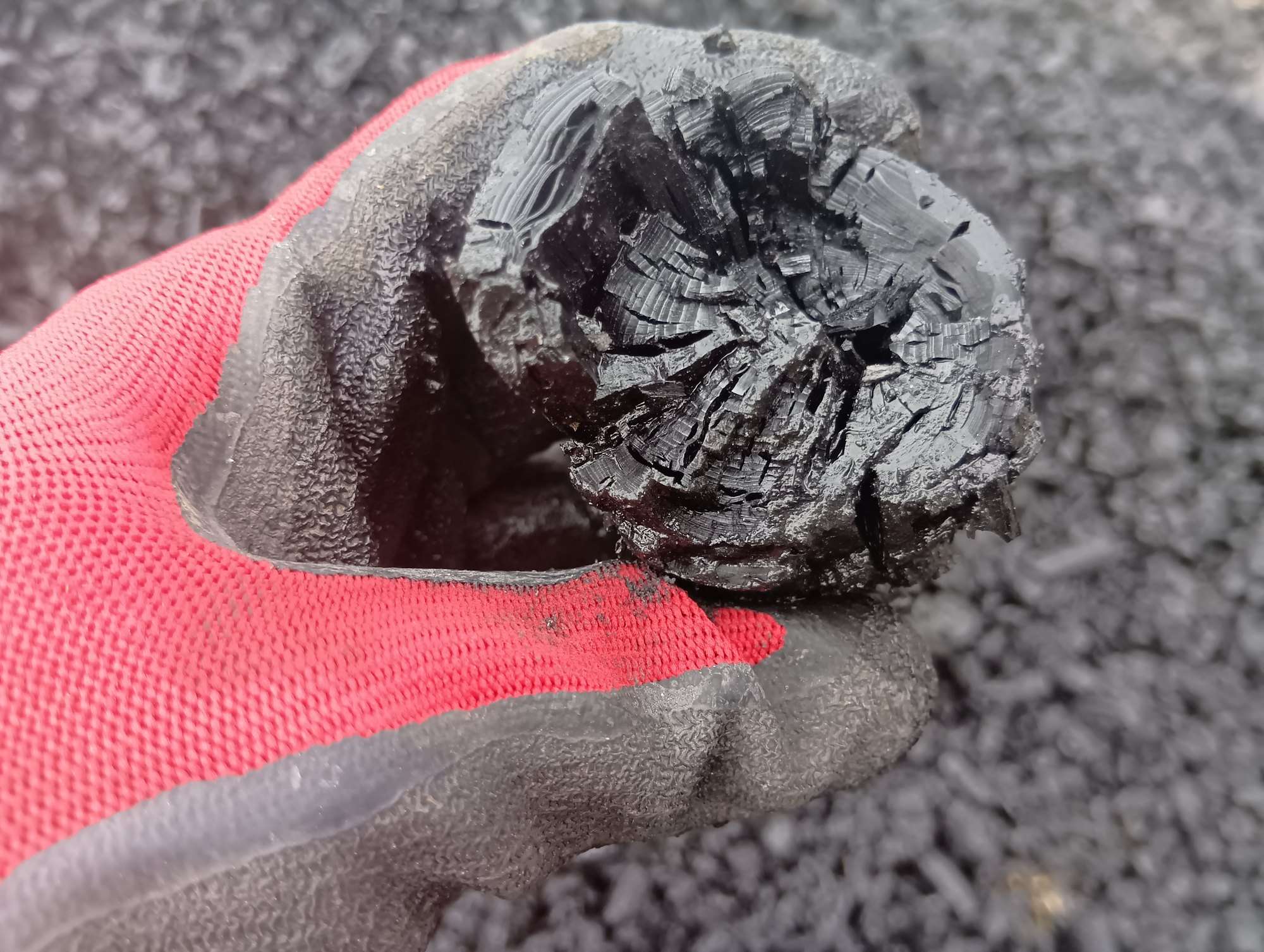
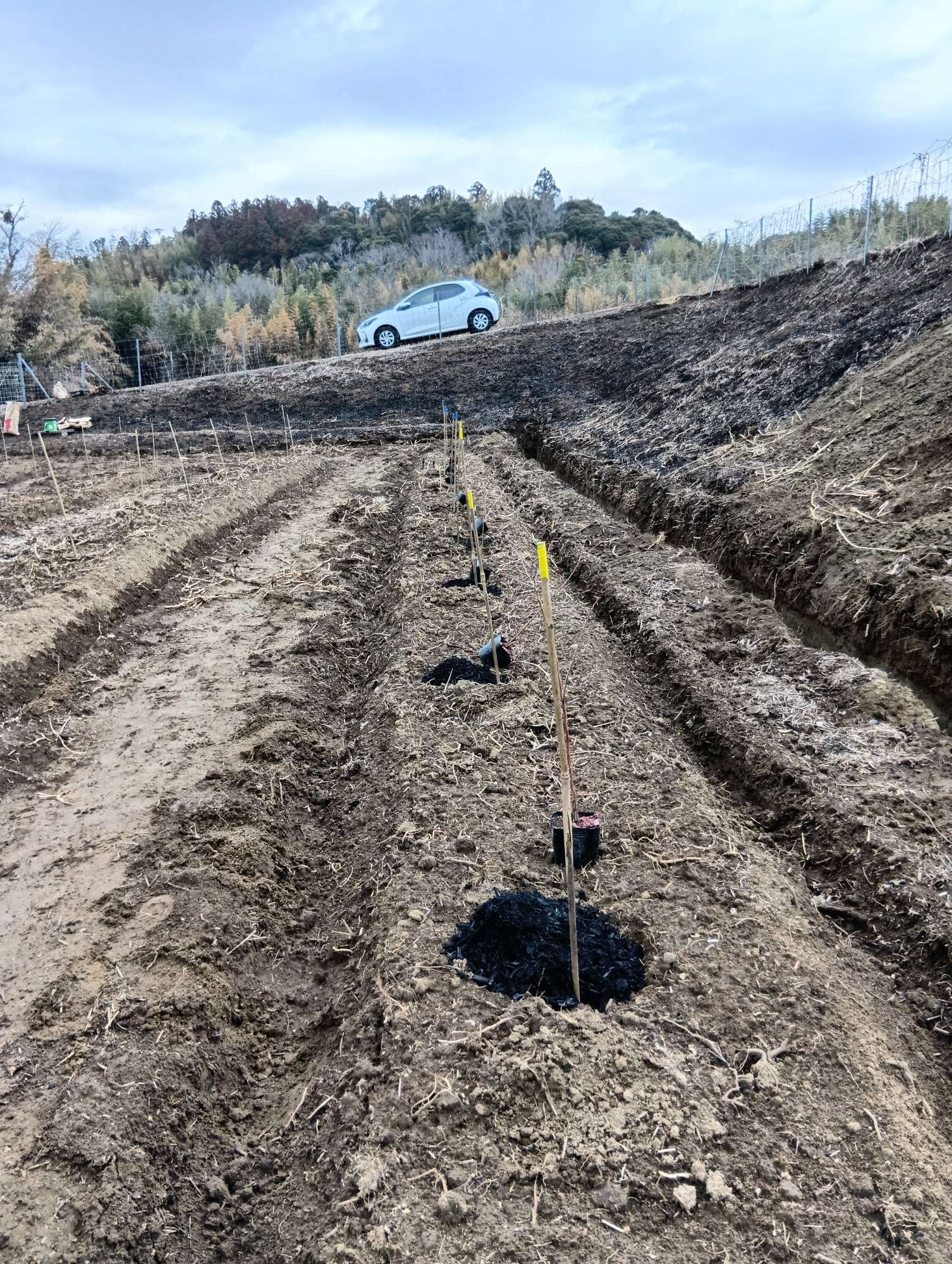
Agricultural and forestry residues were evaluated as feedstocks for biochar production. Blueberry pruning residues and bamboo waste were used to produce biochar using a simple production method. The project is assessing biochar quality, soil application and its potential for carbon removal. Data are being collected to support future carbon-credit and MRV development.
The year-one production target is 2.5 tonnes and the year-two target is 12.5 tonnes. At the planned rate of 5 t/ha, application across the 20 ha farm is phased. Carbon-removal and carbon-credit figures are potential, indicative values. No verified credits have been issued.
Results
| Measure | Before | After | Change | Status |
|---|---|---|---|---|
| Fixed carbon | about 79% | Indicative | ||
| H/C ratio | 0.7 | Indicative | ||
| Year-one production | 2.5 t, applied in phases toward 5 t/ha | Reported |
Reported figures come from the project's own records; indicative figures are estimates, not verified measurements. Sri Lankan outcomes are subject to baseline assessment.
What it means for Sri Lanka
Demonstrates how agricultural residues such as pruning materials and bamboo can potentially be converted into biochar and measurable carbon-removal projects.
Want to know what this could mean for your land?
A short call is usually enough to tell whether an assessment makes sense. We reply within two business days.
Prefer to message? Book on WhatsApp