
Solutions
Carbon Credit Project Development
Turn agricultural and land-management practices into measurable carbon projects.
What we hear from clients
“We are already using sustainable farming practices, but we don't know whether they can generate carbon credits, or how to measure and document the climate benefits.”
“We need a practical way to develop a carbon project, establish reliable MRV, and understand whether the potential carbon revenue justifies the investment.”
What we do
BeyondSus supports Sri Lankan clients in assessing carbon-credit opportunities, designing projects, establishing measurement and MRV systems, and preparing projects for applicable carbon-credit programs and verification.
Our support can include
- Carbon project feasibility assessment
- Project boundary and baseline development
- GHG emission and carbon-removal calculations
- Carbon project design
- MRV system development
- Field data collection and monitoring planning
- Carbon-credit methodology selection
- Documentation and verification support
- Carbon-credit potential and revenue assessment
How an engagement runs
- 01 · Screen
Identify the opportunity
We assess your farming or land-management practices, project area, available data and potential carbon-credit opportunity.
Typical timing 1–3 weeks*
- 02 · Design
Build the carbon project
We define the baseline, project boundary, intervention, monitoring approach and applicable carbon methodology.
Typical timing 2–6 weeks*
- 03 · Implement
Put the system into practice
We support implementation of the selected practices and establish the required field data collection and monitoring procedures.
Typical timing Project-dependent
- 04 · Measure & monitor
Build reliable MRV
We collect and organize activity data, field measurements and other evidence needed to quantify emission reductions or carbon removal.
Typical timing Throughout the project
- 05 · Verify & develop credits
Prepare for carbon-crediting
We support project documentation, verification preparation and the next steps toward registration or carbon-credit issuance under the selected program.
Typical timing Methodology/project-dependent
* Timings are indicative and project-dependent.
Who it's for in Sri Lanka
We work with commercial farms, plantations, agribusinesses, farmer organizations and forest-based businesses in Sri Lanka that are interested in reducing emissions or generating measurable carbon removals.
Potential applications
- Rice farms
- Tea and plantation crops
- Vegetable and fruit farms
- Livestock farms
- Biochar producers and agricultural businesses
- Forest management projects
- Farm size
- Project suitability depends on farm/land area, management practices, available data, project aggregation opportunities and the requirements of the selected carbon methodology.
- Regional applicability
- Potentially applicable across Sri Lanka, subject to project characteristics, baseline conditions, data availability and the requirements of the selected methodology.
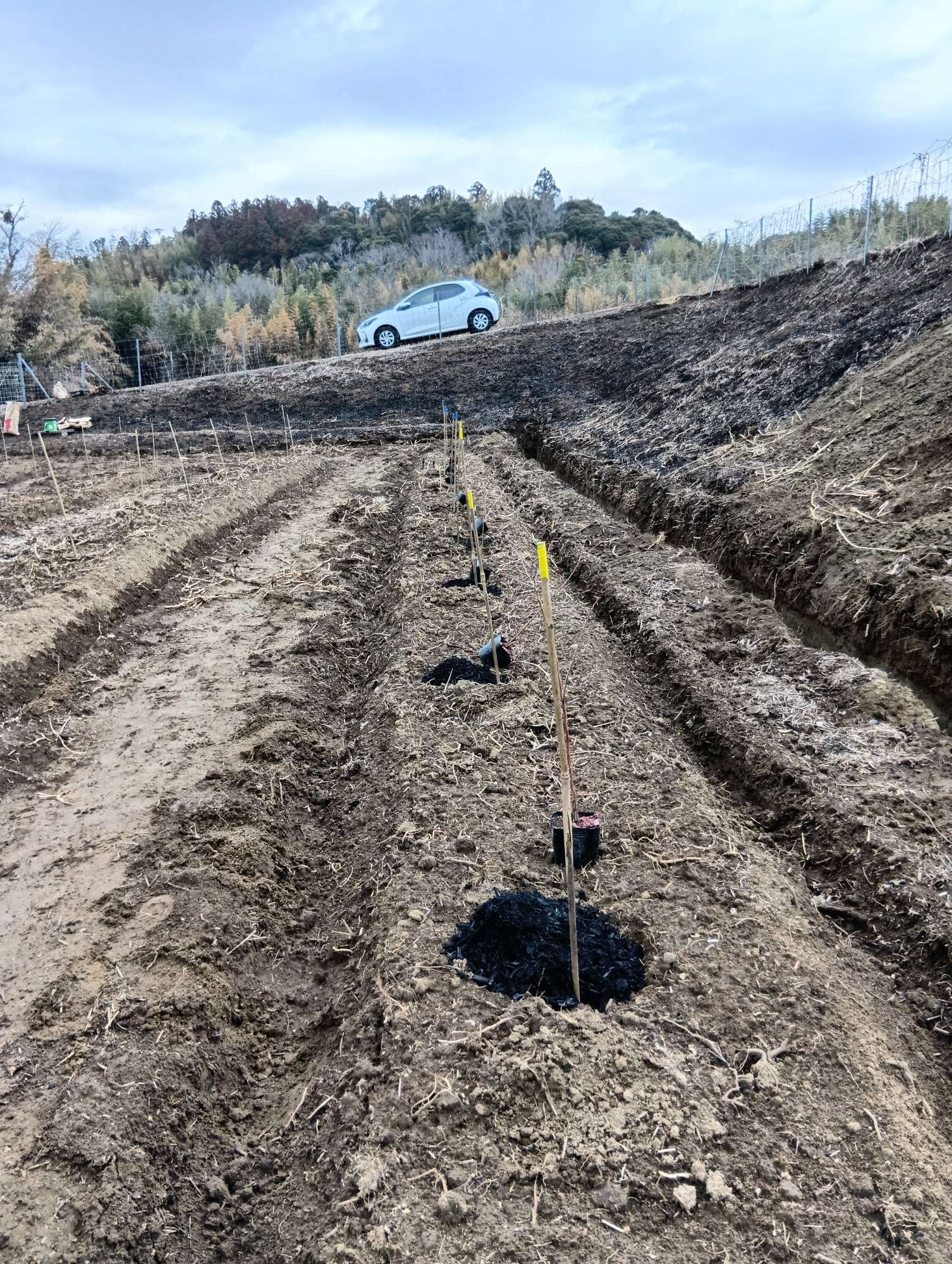
Japan proof point
Biochar Carbon Removal, Chiba, Japan
20 ha blueberry farm
A 20 ha blueberry farm is developing a farm-based biochar system using bamboo waste and blueberry pruning residues, with a planned application rate of 5 t/ha and biochar fixed-carbon content of approximately 79%. Application is phased: the year-one production target is 2.5 t. No verified credits have been issued.
Reported results from a project in Japan. Sri Lankan outcomes are subject to baseline assessment.
Ownership, timelines, standards and MRV
Project opportunities we can assess
- Farm management & soil carbon
- Paddy water management / methane reduction
- Biochar carbon removal
- Livestock management
- Forest management
Who owns the carbon credits?
Carbon-credit ownership is agreed contractually between the project owner, participating farmers/landowners and other relevant parties. BeyondSus provides project-development, technical and MRV support.
How long does it take?
Carbon projects typically require several stages before credits can be issued: feasibility assessment, project design, implementation, monitoring, verification and registration/issuance. The timeline varies significantly by project type, methodology, project scale and verification requirements.
Which standards and methodologies?
We assess and develop projects against applicable carbon-credit methodologies and programs, selecting the most appropriate pathway based on project type, location, data availability and eligibility requirements. We work with J-Credit, Puro.earth and Verra.
What MRV involves
Our MRV systems are designed to create a traceable evidence chain, from field activity and measurements to carbon calculations and verification.
MRV costs depend on project scale, methodology, monitoring frequency, number of farms, field measurements, laboratory analysis, data management and verification requirements.
Questions clients ask
Can every sustainable farming practice generate carbon credits?
No. A project needs to meet the requirements of an applicable carbon-credit methodology, including appropriate baseline, additionality, monitoring and verification requirements. BeyondSus can assess the potential before significant investment is made.
How much carbon can my farm generate?
It depends on the farm/land area, crop or production system, baseline practices, intervention, emission factors and applicable methodology. We first conduct an assessment to estimate the potential.
Do I need to change my farming practices?
Not necessarily. Some existing practices may already have carbon benefits, but a carbon project normally requires clearly defined project activities and reliable evidence of the resulting emission reductions or removals.
Does BeyondSus guarantee carbon-credit issuance?
No. We can support project assessment, design, MRV and verification preparation, but final eligibility, verification and credit issuance depend on the selected carbon standard/program and independent verification requirements.
Pricing
Project-based pricing
Every carbon project is different. Our fees depend on project type, farm/land area, number of participating farms, data requirements and MRV complexity.
Start with a Carbon Project Assessment to understand your project's potential, requirements and estimated development cost.
Book a consultationTell us about your land.
A short call is usually enough to tell whether an assessment makes sense. We reply within two business days.
Prefer to message? Book on WhatsApp